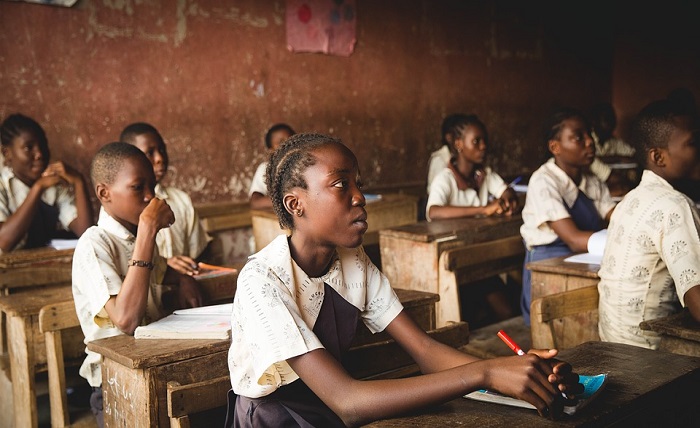
Families who live on the road—whether for seasonal work, long-term travel, or flexible careers—face a central question: how do children learn well when place keeps changing? The old model assumes fixed classrooms, predictable calendars, and neighborhood ties. Nomad schooling flips that script. Learning happens across borders and time zones, in vans, small rentals, community centers, libraries, and public spaces. The goal is steady progress without the anchor of a single campus.
Parents often begin by seeking consistency: a clear daily rhythm, reachable goals, and records that survive transitions. They also look for ways to manage attention in fast-changing settings. In that context, it can help to study how digital systems hook or focus the mind; for a short, concrete example of feedback loops and decision cycles, visit this website, then think about what similar loops mean for study habits on the road.
What Counts as a “School” When You’re Moving?
“School” for a traveling family is more a set of agreements than a building. It blends three elements:
- Core academics. Literacy, numeracy, and science require deliberate practice and continuity. Families often rely on modular curricula and short, focused sessions that travel well.
- Place-based learning. Movement itself becomes a source of lessons—geography through maps walked, history where it happened, languages through daily transactions.
- Documentation. Because homes and districts change, families keep logs, portfolios, and assessment snapshots to prove progress.
The mix varies. Some families enroll in umbrella programs that provide course plans and credit tracking. Others run fully independent paths but align to broad standards so re-entry to a local school remains open.
The Daily Architecture: Time, Tools, and Tradeoffs
When everything is mobile, structure is the scarce resource. Three practices help:
- Time boxing. Short blocks—say, 25–40 minutes—separate focused study from travel chores.
- Low-tech redundancy. Printed packets, notebooks, and offline readers keep learning going when connections fail.
- Anchors. Fixed rituals—morning reading, evening reflection—stabilize the week even if the location changes daily.
Tradeoffs are real. Travel days compress attention. New sights compete with assignments. The solution is not more hours but better cadence: tight bursts for skill work, open windows for local exploration, and planned rest to prevent drift.
Curriculum on Wheels: Depth Without a Warehouse
Packing limits demand lean planning. A good mobile curriculum has three traits:
- Modularity. Units that stand alone and can be reordered. If a museum or park aligns with a topic, the unit moves up.
- Mastery checks. Quick diagnostics replace long exams, signaling when to move or circle back.
- Transfer tasks. Projects that require applying knowledge in new places—measuring water flow in different towns, interviewing local workers about seasonal cycles, mapping food supply chains.
Parents often worry about gaps. The best defense is a yearly map with must-hit milestones in math and literacy, plus rotating focus areas in science and social studies. The map acts as a north star while leaving room for serendipity.
Social Development: Friends You Can’t See Every Day
Mobility weakens daily peer contact but broadens exposure. Children meet people across ages and backgrounds; they also face stretches of limited company. To keep social learning intact:
- Layer communities. Mix local meetups, recurring online clubs, and periodic in-person gatherings.
- Practice collaboration. Remote group projects—shared reports, video debates, joint experiments—teach coordination over distance.
- Name the feelings. Moves trigger loss and novelty at once. Regular check-ins teach children to describe stress and ask for help.
The aim is not to copy the classroom social graph but to build durable skills: initiating contact, maintaining ties, and joining new groups with respect.
Assessment and Accountability on the Road
Districts and countries differ on requirements, but traveling families share a common need: proof of learning. A practical kit includes:
- Portfolio by month. Selected work samples with short notes about context and standards addressed.
- Skill trackers. Simple rubrics for reading fluency, writing mechanics, math facts, and problem-solving.
- Third-party snapshots. Occasional external assessments offer an outside view that eases conversations with future schools.
Assessment should serve the student, not just the file. Regular, small checks prevent surprises and help parents adjust pacing before gaps grow.
Safety, Digital Hygiene, and Boundaries
Travel layers risk: changing networks, public Wi-Fi, shifting routines. Families can reduce exposure by using offline-first tools, teaching children to treat unknown links with caution, and setting posting rules that avoid real-time location tags. Boundaries matter in schoolwork too. A clear line between learning time and leisure time keeps motivation from eroding when every hour feels flexible.
Cost and Equity: Who Gets to Choose Mobility?
Nomad schooling can be frugal—camping, house swaps, public libraries—or costly, with frequent moves and fees for activities. The deeper equity issue is not only money; it is job flexibility. Remote work and seasonal contracts make mobility possible for some but not others. Policy can soften the divide by recognizing portable records, allowing test sites across regions, and supporting open educational resources that travel without subscriptions.
Legal and Policy Questions
Rules for home education, enrollment, and vaccination vary widely. Crossing borders adds layers: visas, insurance, and recognition of records. Families benefit from:
- Standardized transfer forms. Clear, concise summaries of progress that schools accept without long delays.
- Inter-district compacts. Agreements that honor assessments and portfolios across regions.
- Access to public spaces. Libraries, labs, and sports facilities that welcome traveling students during off-peak hours.
These small accommodations keep doors open for re-entry and protect the child’s long-term options.
Teacher Roles in a Nomad Model
Educators can support mobile learners even without meeting them in person:
- As mentors. Offer periodic coaching sessions focused on strategy, not just content.
- As curators. Share short lists of high-yield resources aligned to clear goals, reducing search time.
- As assessors. Provide neutral feedback on writing and problem-solving so parents avoid blind spots.
This shifts teaching from daily delivery to targeted guidance, a role that scales across distances.
When to Pause, When to Plant Roots
Travel brings growth but also fatigue. Families should watch for signals: rising conflict over small tasks, slipping joy in reading, or avoidance of math practice. A short stationary period can reset routines. The choice to plant roots is not failure; it is another form of planning—matching the child’s needs to the environment that serves them best at that time.
A Practical Starter Plan
For families considering the move:
- Draft a one-page yearly map with milestones.
- Build a four-week core loop (reading, writing, math, science/social studies) that can repeat anywhere.
- Choose two ongoing projects tied to travel routes.
- Set weekly social goals—two local contacts and one standing online meet.
- Create a portfolio template before the first day.
- Schedule a quarterly check-in with an outside educator.
Small, steady systems beat complex setups that collapse under motion.
Conclusion: Learning as a Moving Conversation
Nomad schooling treats movement not as a disruption but as curriculum. Children learn how place shapes knowledge, how to manage time without bells, and how to join and leave communities with care. The approach is not for every family, and it demands honest audits of energy, budget, and legal limits. But its core lesson travels well: education is a conversation between curiosity and structure. If the structure is light and the records clear, the conversation can continue on any road, in any season, without losing its way.